
Finding a foundation that controls shine without making dry areas look flaky can be surprisingly difficult. Many formulas lean too heavily toward either oil control or hydration, leaving combination skin stuck in the middle.
Clinique Superbalanced Oil Free Foundation aims to solve that balancing act. According to the official product information, it is designed to add moisture where skin feels dry while helping reduce excess oil in shinier areas.
Those claims sound appealing, but the ingredient list deserves a closer look. In this review, we’ll examine what the formula actually contains, what current scientific evidence says about its key ingredients, and whether the formulation realistically supports its advertised benefits.
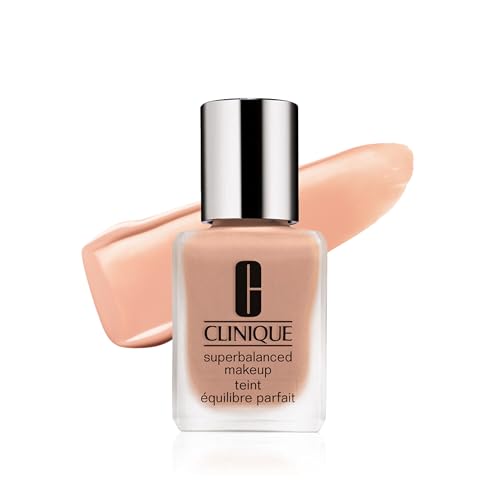
Clinique Superbalanced Oil Free Foundation Ingredients at a Glance
The current ingredient list comes from the manufacturer’s published information and an official retail listing. Ingredient lists can change over time or vary slightly between countries, so always check your own packaging before purchasing.
-
- Cyclopentasiloxane
- Water (Aqua/Eau)
- Butylene Glycol
- Polymethyl Methacrylate
- Dimethicone
- Hydrogenated Polyisobutene
- PEG/PPG-18/18 Dimethicone
- Chamomilla Recutita (Matricaria) Extract
- Hydrolyzed Soy Protein
- Tocopheryl Acetate
- Octyldodecyl Stearoyl Stearate
- Coconut Acid
- Isostearyl Neopentanoate
- Cetyl PEG/PPG-10/1 Dimethicone
- Hexyl Laurate
- Lecithin
- PEG-10 Dimethicone
- Laureth-7
- Polyglyceryl-4 Isostearate
- Lauryl Methacrylate/Glycol Dimethacrylate Crosspolymer
- Disteardimonium Hectorite
- Propylene Carbonate
- C9-15 Fluoroalcohol Phosphate
- Silica
- Sodium Chloride
- Polyethylene
- Alumina
- Disodium EDTA
- Phenoxyethanol
- Polyaminopropyl Biguanide
- May Contain: Mica, Titanium Dioxide (CI 77891), Iron Oxides (CI 77491, CI 77492, CI 77499)
Clinique Superbalanced Oil Free Foundation Ingredients: My Analysis
This isn’t a treatment foundation packed with active skincare ingredients. Instead, its performance depends largely on how well cosmetic ingredients work together to create a comfortable, balanced finish.
Dimethicone
Dimethicone is one of the foundation’s most important functional ingredients. It belongs to the silicone family and creates a smooth layer that helps makeup spread evenly while reducing moisture loss from the skin.
I can see why this ingredient was included. Extensive cosmetic research and safety reviews have found dimethicone to be an effective skin protectant with a long history of safe cosmetic use when used as intended, including assessments from the Cosmetic Ingredient Review Expert Panel.
The manufacturer does not disclose the exact concentration. Because of that, it’s impossible to determine how much dimethicone contributes beyond what can be observed from the product’s texture and intended performance.
For most users, dimethicone is well tolerated. Some people who dislike the feel of silicone-based products may find it heavier than water-based foundations, although current evidence does not show that dimethicone itself is inherently pore-clogging.
Butylene Glycol
Combination skin still needs hydration, and butylene glycol helps provide it. This ingredient works primarily as a humectant, attracting water into the outer layer of the skin while also improving the spreadability of liquid formulas.
What stands out to me is that butylene glycol supports the product’s balancing claim without making unrealistic promises. Humectants are well established for improving skin hydration, as explained by resources such as DermNet’s overview of moisturizers.
The exact amount is not revealed, so its concentration in this formula cannot be determined. The available evidence supports the ingredient generally, but it does not prove this specific foundation delivers long-term moisturizing benefits.
Chamomilla Recutita (Matricaria) Extract
Chamomile extract is included for its soothing properties. It contains naturally occurring compounds that have demonstrated anti-inflammatory activity in laboratory and some clinical research.
The evidence I found is encouraging, although much of the stronger research focuses on topical preparations specifically designed to treat irritated skin rather than cosmetic foundations. Reviews published through PubMed suggest chamomile has promising soothing effects, but formulation matters.
The manufacturer does not disclose how much chamomile extract is included. Without that information, it isn’t possible to judge whether the quantity matches levels commonly investigated in clinical studies.
Chamomile allergies are uncommon but possible, especially in people sensitive to plants from the daisy family. Most users are unlikely to experience problems, but anyone with a known allergy should remain cautious.
Hydrolyzed Soy Protein
Hydrolyzed soy protein is often added to cosmetics because fragmented proteins can help improve skin feel and temporarily support moisture retention on the surface.
I am less convinced by some marketing surrounding soy proteins in makeup. While soy-derived ingredients have interesting biological properties, much stronger evidence exists for leave-on skincare products than for pigmented foundations worn primarily for cosmetic coverage.
The exact concentration is not revealed, so its contribution cannot be determined. The available evidence supports soy proteins as conditioning ingredients, but it does not demonstrate that this foundation provides meaningful skin treatment benefits.
Tocopheryl Acetate
Tocopheryl acetate is a stable form of vitamin E commonly used in cosmetics. It primarily functions as an antioxidant within the formula while also offering some skin-conditioning properties.
What I find encouraging is that vitamin E has substantial research supporting its antioxidant activity. However, much of the stronger evidence involves dedicated skincare products rather than color cosmetics. Reviews published through StatPearls and other medical references support its role as a topical antioxidant.
The manufacturer does not disclose the concentration. That means we can’t determine whether the amount matches those evaluated in clinical studies. The ingredient may still help support formula stability even if its direct skin benefits are modest.
Silica
Silica plays a major role in the foundation’s oil-control strategy. It absorbs surface oil, reduces shine, and helps create the soft-focus appearance many people associate with a natural matte finish.
I think this ingredient fits the product’s advertised purpose particularly well. Oil-absorbing powders are widely used in cosmetic formulations because they improve wear and reduce visible greasiness without relying on harsh drying ingredients.
The exact quantity isn’t disclosed, so its concentration cannot be determined. Even so, its inclusion aligns logically with a foundation marketed toward combination skin rather than very dry skin.
Other Ingredients
- Cyclopentasiloxane: Volatile silicone that improves spreadability and leaves a lightweight finish. Widely considered safe in cosmetic use.
- Polymethyl Methacrylate: Texture-enhancing polymer that creates a smoother appearance by diffusing light and improving slip.
- Hydrogenated Polyisobutene: Emollient that softens skin and helps reduce moisture loss without feeling especially greasy.
- PEG/PPG-18/18 Dimethicone: Silicone emulsifier that helps combine water and oils into a stable foundation.
- Octyldodecyl Stearoyl Stearate: Emollient that improves glide and contributes to a comfortable skin feel.
- Coconut Acid: Fatty acid used to support texture and emulsification. May occasionally irritate very sensitive skin.
- Isostearyl Neopentanoate: Lightweight emollient that improves spreadability while reducing a greasy after-feel.
- Cetyl PEG/PPG-10/1 Dimethicone: Silicone-based emulsifier that stabilizes the oil and water phases.
- Hexyl Laurate: Emollient ester that gives the formula a silky, lightweight finish.
- Lecithin: Skin-conditioning phospholipid that also helps stabilize emulsions.
- PEG-10 Dimethicone: Silicone emulsifier that contributes to smooth application and formulation stability.
- Laureth-7: Surfactant that helps disperse ingredients evenly throughout the product.
- Polyglyceryl-4 Isostearate: Emulsifier that supports a consistent, stable texture.
- Lauryl Methacrylate/Glycol Dimethacrylate Crosspolymer: Polymer that improves texture, oil control, and wear resistance.
- Disteardimonium Hectorite: Thickener and suspension agent that prevents pigments from settling.
- Propylene Carbonate: Solvent used to optimize consistency and stabilize the formulation.
- C9-15 Fluoroalcohol Phosphate: Film-forming ingredient that enhances product spread and wear.
- Sodium Chloride: Viscosity adjuster used to fine-tune product thickness.
- Polyethylene: Texture-enhancing polymer that contributes to a smoother cosmetic finish.
- Alumina: Mineral that improves pigment performance and formula stability.
- Disodium EDTA: Chelating agent that improves preservative performance by binding metal ions.
- Phenoxyethanol: Preservative with an established cosmetic safety profile when used within regulatory limits recognized by authorities such as the European Commission’s Scientific Committee on Consumer Safety.
- Polyaminopropyl Biguanide: Preservative that helps prevent microbial contamination in water-containing products.
- Mica: Mineral pigment that adds natural-looking luminosity and improves finish.
- Titanium Dioxide (CI 77891): White pigment used for opacity and color adjustment in foundation.
- Iron Oxides (CI 77491, CI 77492, CI 77499): Mineral pigments responsible for creating the foundation’s various shades.
Safety Concerns and Controversies
Overall, I didn’t find any major ingredient that raises significant safety concerns when the foundation is used as directed. Most ingredients have long histories of cosmetic use and have undergone extensive safety evaluations by regulatory authorities and expert review panels.
The most realistic concerns involve individual sensitivity rather than inherent toxicity. Chamomile may trigger allergic reactions in people with daisy-family allergies, while preservatives such as phenoxyethanol can occasionally irritate particularly sensitive skin. Patch testing remains a sensible precaution if you’ve reacted to cosmetics before.
Some consumers worry about silicones because of online claims that they suffocate the skin or inevitably clog pores. Current scientific evidence doesn’t support those broad claims. Product performance and individual skin response matter far more than the presence of silicone ingredients alone.
Clinique Superbalanced Oil Free Foundation: My Verdict
I think this is a thoughtfully designed cosmetic formula rather than a skincare treatment disguised as makeup. Its blend of silicones, humectants, oil-absorbing powders, and conditioning ingredients logically supports the goal of balancing combination skin throughout the day.
My biggest limitation is that Clinique doesn’t disclose the concentrations of its featured ingredients. As a result, several skincare-related marketing claims are difficult to verify. The available evidence supports many ingredients individually, but it doesn’t prove the finished foundation delivers clinically meaningful skin benefits.
From an ingredient perspective, I consider this foundation worth considering, especially if your priority is comfortable wear on combination skin. The formula appears scientifically sensible, generally well balanced, fragrance-free, and supported by ingredients with established cosmetic safety profiles.
Disclaimer
This review is based primarily on the published ingredient list and available scientific research. Even ingredients supported by evidence may not produce the same results for every user. It is educational only and does not replace personalized medical or dermatological advice.