
Skin tints have become a popular choice for anyone who wants lighter coverage than traditional foundation while still improving uneven tone and adding a healthy-looking finish. Many also promise skincare benefits, making it tempting to replace multiple products with a single formula.
Summer Fridays Sheer Skin Tint positions itself as a hydrating complexion product that combines sheer color with ingredients such as hyaluronic acid, squalane, niacinamide, and centella asiatica. On paper, that combination sounds appealing for people who prefer natural-looking makeup with added skin support.
Still, ingredient lists often reveal more than marketing claims. In this review, you’ll see which ingredients have the strongest scientific support, where the evidence becomes less certain, and whether the overall formula appears worth considering from an ingredient perspective.
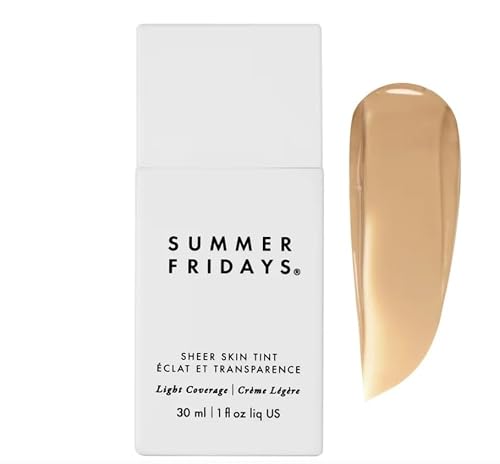
Summer Fridays Sheer Skin Tint Ingredients at a Glance
The official ingredient list is consistent across the manufacturer’s website and major retailers at the time of writing. Keep in mind that cosmetic formulas may change over time or vary slightly between countries.
- Water (Aqua/Eau)
- Ethylhexyl Palmitate
- Glycerin
- Isododecane
- Diethylhexyl Carbonate
- Isohexadecane
- Polyglyceryl-4 Diisostearate/Polyhydroxystearate/Sebacate
- Polymethylsilsesquioxane
- Trimethylsiloxysilicate
- Sodium Chloride
- C13-15 Alkane
- Sodium Hyaluronate
- Squalane
- Niacinamide
- Centella Asiatica Leaf Extract
- Tocopheryl Acetate
- Tocopherol
- Persea Gratissima (Avocado) Oil
- Camellia Sinensis Leaf Extract
- Carthamus Tinctorius (Safflower) Seed Oil
- Glycine Soja (Soybean) Oil
- Ethylhexylglycerin
- Hydrogenated Vegetable Oil
- Silica
- Alumina
- Disteardimonium Hectorite
- Magnesium Oxide
- Propylene Carbonate
- Zinc Stearate
- Boron Nitride
- Sodium Benzoate
- Potassium Sorbate
- Caprylyl Glycol
- Phenoxyethanol
- May contain iron oxides and titanium dioxide depending on shade.
Summer Fridays Sheer Skin Tint Ingredients: My Analysis
The formula blends makeup pigments with several well-known moisturizing and skin-conditioning ingredients. What stands out to me is that the product focuses more on hydration and barrier support than on dramatic active skincare treatment.
Glycerin
Glycerin is one of the best-studied humectants used in skincare. It attracts water into the outer layer of the skin, helping reduce dryness and improve softness. Extensive research supports its ability to strengthen skin hydration when included in topical products.
Evidence summarized in clinical reviews of moisturizers consistently shows glycerin improves hydration and skin barrier function. That makes it a logical ingredient in a skin tint designed for comfortable daily wear.
The manufacturer doesn’t disclose the exact concentration. Because of that, it’s impossible to determine how closely this product matches concentrations used in published studies. Even so, I think glycerin is one of the strongest evidence-backed ingredients in the formula.
Sodium Hyaluronate
Sodium hyaluronate is the salt form of hyaluronic acid. It functions mainly as a humectant by helping the skin retain water, which can temporarily improve the appearance of dryness and fine lines.
Research reviewed by peer-reviewed studies on topical hyaluronic acid supports improved hydration, although results depend on molecular weight, formulation, and regular use. Those findings apply to topical products generally, not specifically to this skin tint.
The exact amount isn’t revealed, so its concentration in this formula cannot be determined. I would have more confidence in predicting its contribution if Summer Fridays disclosed that information.
Still, I can see why it was included. In a lightweight complexion product, extra hydration may help reduce the tight feeling that some makeup products create during wear.
Squalane
Squalane is a stable, lightweight emollient derived from plant or other sustainable sources. It helps reduce moisture loss by reinforcing the skin’s protective barrier without leaving a heavy or greasy finish.
Studies summarized by DermNet’s guidance on emollients and other dermatology references support its role as an effective moisturizer. Unlike some heavier oils, squalane is generally well tolerated by many skin types.
The manufacturer doesn’t disclose the concentration. That means we cannot judge whether it matches levels commonly evaluated in published research. Even so, its inclusion fits the product’s goal of providing comfortable, hydrated-looking skin.
What I find encouraging is that squalane complements glycerin rather than replacing it. Humectants attract water, while emollients help reduce water loss, making the combination scientifically sensible.
Niacinamide
Niacinamide, a form of vitamin B3, has one of the strongest evidence bases among cosmetic ingredients. Human studies support improvements in skin barrier function, uneven tone, oil balance, and overall skin appearance.
Multiple clinical studies on topical niacinamide have demonstrated benefits, although concentrations often differ between products. The available evidence supports the ingredient generally, but it doesn’t prove this specific skin tint will produce identical results.
The exact amount remains undisclosed. Because of that, I am less convinced by marketing suggestions that emphasize skincare benefits without revealing how much niacinamide is actually present.
Centella Asiatica Leaf Extract
Centella asiatica is a botanical extract widely used in products designed to soothe the skin. Its naturally occurring compounds have been studied for their potential to support the skin barrier and reduce visible signs of irritation.
Reviews published in the scientific literature suggest topical centella may help calm sensitive skin and support wound healing. However, much of the research involves dedicated skincare products rather than tinted cosmetics.
The manufacturer does not disclose the exact concentration. As a result, it’s impossible to determine how closely this formula resembles those evaluated in clinical studies. I still think its inclusion complements the product’s hydrating focus.
Other Ingredients
- Water (Aqua/Eau): Primary solvent that dissolves and disperses water-soluble ingredients. No meaningful safety concerns during normal cosmetic use.
- Ethylhexyl Palmitate: Emollient that improves glide and softness. May feel heavy for some acne-prone users but isn’t inherently unsafe.
- Isododecane: Lightweight solvent that helps create a smooth, fast-drying finish. Generally well tolerated.
- Diethylhexyl Carbonate: Lightweight emollient that enhances spreadability without leaving excessive residue.
- Isohexadecane: Emollient and solvent that improves texture and wear while reducing heaviness.
- Polyglyceryl-4 Diisostearate/Polyhydroxystearate/Sebacate: Emulsifier that keeps oil and water evenly mixed.
- Polymethylsilsesquioxane: Texture-enhancing powder that creates a smoother, soft-focus finish.
- Trimethylsiloxysilicate: Film former that improves makeup longevity and transfer resistance.
- Sodium Chloride: Viscosity-adjusting ingredient used to control product consistency.
- C13-15 Alkane: Lightweight emollient that improves spreadability and sensory feel.
- Tocopheryl Acetate: Vitamin E derivative that helps protect the formula and offers antioxidant support.
- Tocopherol: Antioxidant that helps stabilize oils and may provide additional skin protection.
- Persea Gratissima (Avocado) Oil: Emollient plant oil that softens skin. Sensitive individuals should avoid it if allergic.
- Camellia Sinensis Leaf Extract: Green tea extract with antioxidant properties supported by topical research.
- Carthamus Tinctorius (Safflower) Seed Oil: Plant-derived emollient that helps reduce moisture loss.
- Glycine Soja (Soybean) Oil: Skin-conditioning oil that improves softness. Allergy concerns are uncommon in refined cosmetic forms.
- Ethylhexylglycerin: Preservative booster with mild moisturizing properties.
- Hydrogenated Vegetable Oil: Texture enhancer and stabilizer that contributes to a creamy consistency.
- Silica: Absorbent powder that helps reduce shine and improves product feel.
- Alumina: Mineral used to improve pigment performance and stability.
- Disteardimonium Hectorite: Thickener and suspending agent that keeps pigments evenly distributed.
- Magnesium Oxide: Mineral that supports texture and oil absorption.
- Propylene Carbonate: Solvent that helps stabilize the overall formula.
- Zinc Stearate: Texture enhancer that improves adhesion and smooth application.
- Boron Nitride: Slip agent that creates a silky feel and improves blendability.
- Sodium Benzoate: Preservative that helps protect the product from microbial growth.
- Potassium Sorbate: Preservative commonly used to maintain product stability.
- Caprylyl Glycol: Humectant and preservative booster that also improves skin feel.
- Phenoxyethanol: Widely used preservative considered safe within established cosmetic limits by major regulators.
- Iron Oxides and Titanium Dioxide: Mineral pigments that provide color. Shade-dependent composition may vary.
Safety Concerns and Controversies
Overall, I didn’t find any major ingredient-related safety concerns for healthy adults using the product as directed. Most ingredients have long histories of cosmetic use, and several are supported by assessments from regulatory agencies and independent safety panels.
People with very sensitive skin should remember that even well-studied ingredients can occasionally cause irritation or allergic reactions. Botanical extracts, preservatives, and individual emollients may not suit everyone, although serious reactions are uncommon during normal cosmetic use.
Some online discussions portray preservatives or synthetic ingredients as inherently harmful. Current evidence from organizations such as the U.S. Food and Drug Administration and the European Commission cosmetic regulations doesn’t support those broad claims when approved cosmetic ingredients are used within permitted limits.
Summer Fridays Sheer Skin Tint: My Verdict
I think this is a thoughtfully designed skin tint that prioritizes hydration and cosmetic elegance over making unrealistic skincare promises. The combination of glycerin, sodium hyaluronate, squalane, niacinamide, and centella asiatica gives the formula a scientifically reasonable foundation.
My biggest limitation is the lack of disclosed ingredient concentrations. Several active ingredients have strong research behind them, but without those details, it’s impossible to judge how closely the finished formula aligns with clinical evidence. The available research supports the ingredients themselves, not this exact product.
Overall, I consider Summer Fridays Sheer Skin Tint worth considering for people seeking lightweight coverage with added moisturizing ingredients. From an ingredient perspective, the formula appears balanced, sensible, and suitable for most users, although expectations should remain realistic regarding long-term skincare benefits.
Disclaimer
This review is based primarily on the published ingredient list and available scientific research. Effective ingredients do not guarantee identical results for every user. The information is educational and should not replace personalized advice from a qualified healthcare professional.