
Many anti-aging serums promise firmer, smoother, and more radiant skin, but those claims often rely on impressive marketing rather than transparent science. As collagen naturally declines with age, many people look for formulas that may help support skin resilience without unnecessary complexity.
ELEMIS Pro-Collagen Future Restore Serum positions itself as a premium biotechnology-based treatment centered on marine ingredients and visible firming benefits. Its formula combines algae-derived ingredients, ferments, humectants, and emollients in a lightweight serum designed for daily use.
Still, ingredient lists often reveal much more than advertising. In this review, I’ll examine what the key ingredients actually do, where the scientific evidence is strongest, where uncertainty remains, and whether the overall formulation appears to justify its premium positioning.
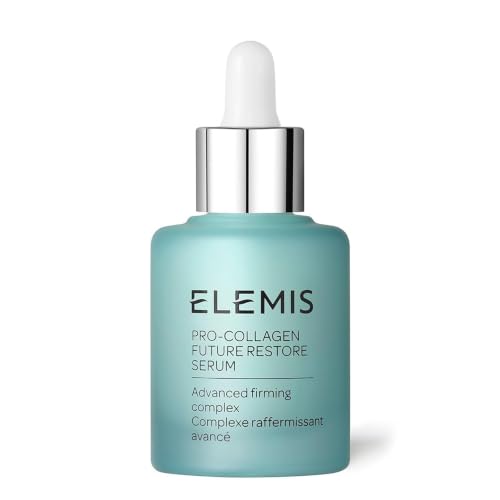
ELEMIS Pro-Collagen Future Restore Serum Ingredients at a Glance
The official ingredient list is current at the time of writing. As with many cosmetics, formulations may vary slightly between countries or change over time, so it’s always worth checking the latest product label.
-
- Aqua/Water/Eau
- Glycerin
- Propylheptyl Caprylate
- Propanediol
- Neopentyl Glycol Dicaprylate/Dicaprate
- Isononyl Isononanoate
- Coco-Caprylate/Caprate
- Squalane
- Triheptanoin
- Polyacrylate Crosspolymer-6
- Hydroxyethyl Acrylate/Sodium Acryloyldimethyl Taurate Copolymer
- Echinacea Purpurea Extract
- Sodium Benzoate
- C9-12 Alkane
- Dilinoleic Acid/Butanediol Copolymer
- Disodium EDTA
- Potassium Sorbate
- Fragrance (Parfum)
- Citric Acid
- Padina Pavonica Thallus Extract
- Sodium Hyaluronate
- Algae Oligosaccharides
- Lecithin
- Xanthophylls
- Sorbitan Isostearate
- Lactobacillus Ferment
- Castor Oil/IPDI Copolymer
- Bacillus Ferment
- Sodium Hydroxide
- T-Butyl Alcohol
- Chlorella Vulgaris Extract
- Mimosa Tenuiflora Bark Extract
- Rosa Damascena Flower Extract
- Collagen Amino Acids
- Linalool
- Lactic Acid
- Leuconostoc/Radish Root Ferment Filtrate
- Tocopherol
- Citronellol
ELEMIS Pro-Collagen Future Restore Serum Ingredients: My Analysis
The formula blends several well-established moisturizing ingredients with proprietary marine biotechnology. What stands out to me is that the product relies more on skin-supportive hydration and barrier care than on traditional anti-aging actives like retinoids or vitamin C.
Padina Pavonica Thallus Extract
Padina pavonica is a brown marine algae that has become one of ELEMIS’ signature ingredients. The company uses a fermented version and highlights its role in improving hydration and skin resilience.
Marine algae contain polysaccharides, minerals, and antioxidant compounds that may help support skin hydration. Laboratory and small human studies suggest certain algae extracts can improve moisture retention and skin appearance, although the evidence varies considerably between individual species.
I found the ingredient scientifically interesting, but the manufacturer doesn’t disclose its concentration. That means it’s impossible to determine whether this product contains the same amount used in published research. The available evidence supports algae ingredients generally, not necessarily this exact formulation.
Sodium Hyaluronate
Sodium hyaluronate is the salt form of hyaluronic acid and functions primarily as a powerful humectant. It attracts water to the outer layers of the skin, helping improve hydration and temporarily reduce the appearance of fine lines.
Its moisturizing effects are supported by multiple human studies and dermatology references showing improved skin hydration and elasticity when appropriately formulated for topical use.
Although I was pleased to find this ingredient included, the manufacturer doesn’t reveal its concentration. The evidence clearly supports topical hyaluronic acid, but it doesn’t prove that every product delivers identical clinical improvements.
Fortunately, sodium hyaluronate is generally well tolerated. Most users can apply it daily, especially when followed by a moisturizer that helps reduce water loss from the skin.
Bacillus Ferment
Bacillus ferment is a biotechnology-derived ingredient created through controlled microbial fermentation. ELEMIS describes it as a marine ferment intended to support skin vitality and firmness.
Fermented skincare ingredients can produce peptides, amino acids, and other biologically active compounds. Some laboratory and early clinical research suggests certain ferments may help improve skin barrier function and reduce visible aging signs.
What I find less convincing is that much of the published evidence involves specific proprietary ferment technologies rather than this exact ingredient combination. The precise concentration also isn’t disclosed, making its contribution difficult to judge.
Chlorella Vulgaris Extract and Algae Oligosaccharides
These ingredients form part of ELEMIS’ proprietary Opal Skin Algae Complex, which the company markets as a unique marine biotechnology blend developed to support firmness and elasticity.
Microalgae such as Chlorella contain proteins, carotenoids, antioxidants, and bioactive compounds that have attracted growing skincare research. Experimental studies suggest antioxidant and barrier-supporting effects, while limited human research indicates possible improvements in skin appearance.
The company cites independent clinical testing for the finished product, but those studies involved relatively small participant numbers and have not been independently replicated in larger published trials. I would have greater confidence if more peer-reviewed clinical evidence were available.
Echinacea Purpurea Extract
Echinacea purpurea is a botanical extract more commonly associated with herbal supplements, but it also appears in skincare because of its antioxidant and soothing properties. It contains compounds such as phenolic acids and alkamides that may help protect skin from environmental stress.
Some laboratory and small clinical studies suggest echinacea extracts may support skin barrier function and reduce visible signs of irritation. However, the evidence for topical cosmetic use remains much smaller than for established moisturizing ingredients.
My view is that echinacea is a reasonable supporting ingredient rather than a primary reason to purchase this serum. The manufacturer does not disclose the exact concentration, so its contribution to the finished formula cannot be determined.
Other Ingredients
- Glycerin: Humectant that attracts water into the outer skin layers. Well supported by research and generally suitable for most skin types.
- Propylheptyl Caprylate: Lightweight emollient that softens skin and improves spreadability. No meaningful safety concerns during normal cosmetic use.
- Propanediol: Solvent and humectant that enhances texture and helps dissolve ingredients. Usually well tolerated.
- Neopentyl Glycol Dicaprylate/Dicaprate: Emollient ester that creates a silky finish while reducing moisture loss from the skin.
- Isononyl Isononanoate: Lightweight emollient that improves skin feel without leaving excessive residue.
- Coco-Caprylate/Caprate: Plant-derived emollient that provides smooth application and supports skin softness.
- Squalane: Stable emollient that helps reinforce the skin barrier and reduce dryness. Generally suitable for sensitive skin.
- Triheptanoin: Skin-conditioning emollient that improves texture and reduces transepidermal water loss.
- Polyacrylate Crosspolymer-6: Thickener that creates the serum’s gel texture and stabilizes the formulation.
- Hydroxyethyl Acrylate/Sodium Acryloyldimethyl Taurate Copolymer: Thickener and stabilizer that maintains product consistency.
- Sodium Benzoate: Preservative that helps prevent microbial contamination. Considered safe within approved cosmetic limits.
- C9-12 Alkane: Lightweight emollient that improves spreadability and creates a smooth finish.
- Dilinoleic Acid/Butanediol Copolymer: Film-forming ingredient that helps improve skin feel and moisture retention.
- Disodium EDTA: Chelating agent that improves product stability by binding trace metals.
- Potassium Sorbate: Preservative used to inhibit yeast and mold growth in cosmetic products.
- Fragrance (Parfum): Provides scent. It may trigger irritation or allergy in fragrance-sensitive individuals.
- Citric Acid: pH adjuster that helps maintain product stability and skin compatibility.
- Lecithin: Emollient and delivery-support ingredient that also helps stabilize the formulation.
- Xanthophylls: Plant-derived antioxidants included to help protect the formulation from oxidation.
- Sorbitan Isostearate: Emulsifier that keeps oil and water ingredients evenly mixed.
- Castor Oil/IPDI Copolymer: Film-forming ingredient that contributes to a smooth finish on the skin.
- Mimosa Tenuiflora Bark Extract: Botanical extract with antioxidant properties. Human cosmetic evidence remains limited.
- Rosa Damascena Flower Extract: Fragrance and botanical extract that may provide antioxidant activity but can irritate sensitive skin.
- Collagen Amino Acids: Skin-conditioning ingredients that help moisturize the skin surface. They do not replace lost human collagen.
- Linalool: Fragrance component that can cause allergic reactions in susceptible individuals.
- Lactic Acid: pH adjuster and mild humectant. At cosmetic levels, it also contributes gentle skin conditioning.
- Leuconostoc/Radish Root Ferment Filtrate: Ferment-derived preservative support ingredient with antimicrobial properties.
- Tocopherol: Vitamin E antioxidant that helps protect both the skin and the formula from oxidation.
- Citronellol: Fragrance component that may trigger sensitivity in fragrance-allergic users.
- Sodium Hydroxide: pH adjuster used in very small amounts to balance the finished formulation.
- T-Butyl Alcohol: Solvent used during manufacturing. Cosmetic exposure is generally very low.
Safety Concerns and Controversies
For most healthy adults, the formula appears to present no unusual safety concerns when used as directed. The strongest evidence supports its moisturizing ingredients, while the botanical extracts and marine ferments have less robust human data.
The main caution involves fragrance. Fragrance, linalool, citronellol, and rose extract may increase the likelihood of irritation or allergic reactions in people with sensitive or fragrance-reactive skin. Patch testing is a sensible precaution before regular use.
I didn’t find convincing evidence that the formula contains ingredients considered unsafe during normal cosmetic use. Some online concerns surrounding biotechnology ingredients aren’t supported by current cosmetic safety assessments when these ingredients are used as intended.
ELEMIS Pro-Collagen Future Restore Serum: My Verdict
I think this is a thoughtfully formulated luxury hydrating serum with several well-established moisturizing ingredients and an interesting collection of marine biotechnology ingredients. The formula makes scientific sense from a skin-conditioning perspective.
My biggest reservation is transparency. The manufacturer does not disclose the concentrations of its featured marine actives, making it difficult to compare the formula with published research. Several headline ingredients remain promising, but the available evidence doesn’t confirm that this specific serum will reproduce study results.
Overall, I’d consider it worth considering for people seeking an elegant, hydrating anti-aging serum and who don’t have fragrance sensitivity. From an ingredient perspective, the formula appears well designed, although some of its premium claims extend beyond what independent published evidence can currently confirm.
Disclaimer
This review is based primarily on the published ingredient list and the available scientific research. Ingredients with supporting evidence do not guarantee identical results for every user. It is educational information and should not replace personalized medical advice when needed.