
Daily exposure to sunlight, pollution, and environmental stressors can gradually affect your skin’s appearance. Many skincare products promise to brighten dull skin, reduce visible damage, and strengthen the skin’s defenses against these everyday challenges.
Murad’s Environmental Shield collection is built around that idea. The range includes vitamin C, antioxidants, moisturizers, sunscreens, and barrier-supporting ingredients that are designed to improve radiance while helping protect skin from environmental damage. The formulas look thoughtful on paper, but the ingredient lists deserve a closer look before drawing conclusions.
In this review, I’ll focus on what the ingredients can realistically do based on current scientific evidence rather than marketing claims. You’ll also see where the evidence is strong, where uncertainty remains, and whether the formulations appear logically designed for their intended purpose.
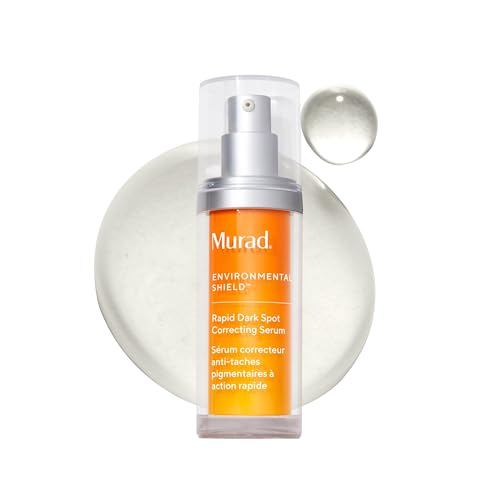
Murad Environmental Shield Ingredients at a Glance
Environmental Shield is a product collection rather than a single formula. Ingredients vary between products, and formulations may also change over time or differ by country. The following list reflects the current Murad Environmental Shield Essential-C Day Moisture Broad Spectrum SPF 30 formula from official labeling.
-
- Avobenzone
- Homosalate
- Octinoxate
- Octisalate
- Oxybenzone
- Water (Aqua)
- Butylene Glycol
- Stearic Acid
- Diisopropyl Sebacate
- Cocoglycerides
- Lauryl Lactate
- Glyceryl Stearate
- PEG-100 Stearate
- Isodecyl Neopentanoate
- Dimethicone
- Cetyl Alcohol
- Cetyl Phosphate
- Urea
- Yeast Amino Acids
- Trehalose
- Inositol
- Taurine
- Betaine
- Phospholipids
- Retinyl Palmitate
- Tocopheryl Acetate
- Ascorbyl Palmitate
- Pelvetia Canaliculata Extract
- Ectoin
- Ginkgo Biloba Leaf Extract
- Vitis Vinifera (Grape) Seed Extract
- Passiflora Incarnata Extract
- Tetrahexyldecyl Ascorbate
- Sodium PCA
- Panthenol
- Tripleurospermum Maritimum Extract
- Zinc Gluconate
- Ethyl Linoleate
- Magnesium Aluminum Silicate
- Xanthan Gum
- Aminomethyl Propanol
- Disodium EDTA
- Phenoxyethanol
- Caprylyl Glycol
- Chlorphenesin
- Limonene
- Linalool
- Fragrance (Parfum)
- Yellow 6 (CI 15985)
- Red 33 (CI 17200)
Murad Environmental Shield Ingredients: My Analysis
Several ingredients stand out because they directly support the product’s primary goals of protecting skin from UV damage while providing antioxidant support and hydration. Those are the ingredients that deserve the closest attention.
Tetrahexyldecyl Ascorbate
This oil-soluble vitamin C derivative is one of the formula’s most interesting ingredients. Unlike pure ascorbic acid, it’s designed to remain more stable in cosmetic formulations while penetrating the skin more easily.
Research suggests tetrahexyldecyl ascorbate can improve signs of photoaging and support collagen production after conversion within the skin. Much of the evidence comes from laboratory work and smaller human studies rather than large clinical trials, so I think it’s promising but not fully established.
The manufacturer doesn’t disclose its exact concentration. Because of that, it’s impossible to determine whether the amount matches concentrations used in published research. Evidence supporting the ingredient doesn’t automatically prove identical results from this particular moisturizer.
I was pleased to see it paired with sunscreen. Antioxidants and UV filters target different aspects of environmental skin damage, making the combination scientifically reasonable.
Ectoin
Ectoin is a naturally produced molecule synthesized by microorganisms that survive in harsh environments. In skincare, it’s valued for helping stabilize proteins and supporting the skin barrier during environmental stress.
Human studies have reported improvements in skin hydration and barrier function with topical ectoin. Some research also suggests it may help reduce irritation caused by environmental exposure, although evidence remains more limited than for classic moisturizers.
The exact amount isn’t revealed, so its concentration in this formula cannot be determined. What stands out to me is that ectoin complements the product’s overall environmental protection theme instead of serving as a marketing addition without a logical purpose.
Tocopheryl Acetate
Tocopheryl acetate is a stable form of vitamin E commonly used in moisturizers and sunscreens. Once converted in the skin, it contributes antioxidant activity and helps reduce oxidative stress caused by ultraviolet exposure.
Vitamin E has been studied extensively in topical skincare. Evidence generally supports its role as an antioxidant, particularly when combined with vitamin C, because the two ingredients may help regenerate one another’s antioxidant activity under certain conditions.
I would have more confidence in the formula if the manufacturer disclosed the concentration. Without that information, readers shouldn’t assume the product delivers the same benefits demonstrated in clinical research using different formulations.
Broad Spectrum UV Filters
The active sunscreen ingredients include avobenzone, homosalate, octinoxate, octisalate, and oxybenzone. Unlike many cosmetic ingredients, these active filters are regulated and their concentrations are disclosed on the official drug label.
Together they provide broad-spectrum UV protection when used as directed. Consistent sunscreen use has strong evidence for reducing sunburn, limiting premature skin aging, and lowering cumulative ultraviolet damage.
My main observation is that sunscreen likely contributes more to this product’s long-term skin protection than any antioxidant ingredient. That’s consistent with decades of dermatology research showing UV protection remains the foundation of preventing photoaging.
Other Ingredients
- Water (Aqua): Primary solvent that dissolves ingredients and provides the base for the emulsion. No meaningful safety concerns during normal topical use.
- Butylene Glycol: Humectant and solvent that improves hydration while helping other ingredients spread evenly. Generally well tolerated, although sensitive skin may occasionally experience mild irritation.
- Stearic Acid: Fatty acid that works as an emollient, thickener, and emulsion stabilizer. Widely considered safe in cosmetic concentrations.
- Diisopropyl Sebacate: Lightweight emollient that improves skin feel without leaving excessive residue. No significant safety concerns are supported by current evidence.
- Cocoglycerides: Plant-derived emollient that softens skin and reduces moisture loss. Generally suitable for most skin types.
- Lauryl Lactate: Emollient that enhances skin softness and improves product spreadability. May cause mild irritation in particularly sensitive skin.
- Glyceryl Stearate: Emulsifier that keeps oil and water blended while adding moisturizing properties. Well established as safe for topical use.
- PEG-100 Stearate: Emulsifier that stabilizes creams and lotions. Current cosmetic safety assessments support its use as formulated.
- Isodecyl Neopentanoate: Lightweight emollient that creates a smooth, non-greasy finish. No notable safety concerns under normal conditions.
- Dimethicone: Silicone-based skin protectant that reduces water loss and improves texture. Rare irritation is possible but uncommon.
- Cetyl Alcohol: Fatty alcohol that thickens and softens the formula. Unlike drying alcohols, it’s generally gentle on skin.
- Cetyl Phosphate: Emulsifier that helps stabilize the cream. No meaningful safety concerns are typically associated with cosmetic use.
- Urea: Humectant that attracts water and supports the skin barrier. Higher strengths can sting damaged skin, but cosmetic products are usually well tolerated.
- Yeast Amino Acids: Skin-conditioning ingredients that contribute to hydration and barrier support. Safety concerns are minimal for topical use.
- Trehalose: Sugar-derived humectant that helps maintain moisture and supports ingredient stability. Well tolerated by most users.
- Inositol: Skin-conditioning ingredient that contributes to hydration. No important safety issues have been identified in cosmetic use.
- Taurine: Amino acid derivative used for skin conditioning and antioxidant support. Current evidence suggests a favorable safety profile.
- Betaine: Humectant that improves hydration while reducing potential irritation from other ingredients. Generally very well tolerated.
- Phospholipids: Barrier-supporting lipids that help improve skin conditioning and ingredient delivery. No significant safety concerns are known.
- Retinyl Palmitate: Vitamin A derivative with antioxidant properties. People with very sensitive skin may experience irritation, and daytime use depends on adequate sun protection.
- Ascorbyl Palmitate: Stable vitamin C derivative that contributes antioxidant activity. Evidence is less extensive than for other vitamin C forms.
- Pelvetia Canaliculata Extract: Brown algae extract used for skin conditioning and antioxidant support. Human evidence remains limited.
- Ginkgo Biloba Leaf Extract: Botanical antioxidant included to help limit oxidative stress. Plant extracts may rarely trigger allergy in susceptible users.
- Vitis Vinifera (Grape) Seed Extract: Antioxidant-rich botanical extract that supports protection against free radicals. Topical safety is generally good.
- Passiflora Incarnata Extract: Plant extract used primarily for skin conditioning. Clinical evidence for topical benefits remains limited.
- Sodium PCA: Naturally occurring humectant that helps maintain skin hydration. Widely regarded as gentle.
- Panthenol: Pro-vitamin B5 that supports hydration and barrier repair. Well supported by topical research and usually well tolerated.
- Tripleurospermum Maritimum Extract: Botanical extract used for soothing and skin conditioning. Evidence is encouraging but relatively limited.
- Zinc Gluconate: Skin-conditioning ingredient with potential soothing properties. Cosmetic use is generally considered safe.
- Ethyl Linoleate: Fatty acid derivative that supports skin conditioning and barrier function. No major safety concerns are established.
- Magnesium Aluminum Silicate: Mineral thickener and stabilizer that improves product consistency. Low irritation potential.
- Xanthan Gum: Natural thickener that stabilizes the emulsion. Widely used with an excellent safety profile.
- Aminomethyl Propanol: pH adjuster that keeps the formulation stable. Cosmetic safety assessments support normal topical use.
- Disodium EDTA: Chelating agent that improves product stability by binding metal ions. Safe at cosmetic concentrations.
- Phenoxyethanol: Preservative that protects against microbial growth. Current regulatory reviews support its use within approved cosmetic limits.
- Caprylyl Glycol: Humectant and preservative booster that also improves skin feel. Generally well tolerated.
- Chlorphenesin: Preservative that helps maintain product safety after opening. Mild irritation is possible in sensitive individuals.
- Limonene: Fragrance component that can become a contact allergen after oxidation in susceptible individuals.
- Linalool: Fragrance ingredient that may trigger allergic contact dermatitis in fragrance-sensitive users.
- Fragrance (Parfum): Added to improve scent. Fragrance is one of the more common causes of cosmetic sensitivity.
- Yellow 6 (CI 15985): Coloring agent used for appearance. Current evidence supports safety in approved cosmetic applications.
- Red 33 (CI 17200): Coloring agent that gives the formula its characteristic color. No meaningful safety concerns during intended topical use.
Safety Concerns and Controversies
Most healthy adults are unlikely to experience significant problems with this formula when it’s used as directed. The biggest practical concern is fragrance. Fragrance ingredients, including limonene and linalool, can increase the chance of irritation or allergic contact dermatitis in sensitive skin.
The sunscreen filters have received public attention over the years, especially oxybenzone. Current regulatory agencies continue to allow approved concentrations because available evidence supports their safety during normal topical use, although research and regulatory policies continue to evolve.
Retinyl palmitate may not suit everyone with highly reactive skin, and sunscreen should never be applied to broken skin. Otherwise, I didn’t find any ingredient that raises major safety concerns when the product is used according to its directions.
Murad Environmental Shield: My Verdict
I think this is a well-designed daytime moisturizer that combines proven broad-spectrum sunscreen protection with several antioxidants and barrier-supporting ingredients. The formula makes scientific sense, and the sunscreen component is supported by the strongest evidence in the entire product.
I’m less convinced by the antioxidant marketing because the manufacturer doesn’t disclose the concentrations of ingredients such as tetrahexyldecyl ascorbate, ectoin, or vitamin E. They may contribute meaningful benefits, but the available evidence doesn’t allow us to predict how much this specific formula delivers.
Overall, I believe it’s worth considering, especially if you want a moisturizer with integrated SPF and antioxidant support. Its biggest limitation isn’t poor formulation but the lack of concentration transparency, which makes some performance claims difficult to judge confidently.
Disclaimer
This review is based primarily on the published ingredient list and available scientific research. Even well-supported ingredients don’t guarantee identical results for every user. The information is educational and shouldn’t replace personalized advice from a qualified healthcare professional when needed.