
Brightening serums have become a staple for people hoping to fade uneven skin tone, improve radiance, and soften the appearance of dark spots. The challenge is that many products promise dramatic results while revealing very little about how well their formulas actually support those claims.
Estée Lauder Perfectionist Pro Rapid Brightening Treatment Serum with Ferment³ + Vitamin C positions itself as a premium solution for discoloration, dullness, and dehydration. Its ingredient list combines a vitamin C derivative with botanical extracts, fermentation ingredients, and moisturizing agents that make the formula look scientifically thoughtful at first glance.
Still, a sophisticated ingredient list doesn’t automatically guarantee meaningful results. Looking closely at the evidence behind the key ingredients helps separate realistic expectations from marketing language, making it easier to decide whether this serum deserves a place in your skincare routine.
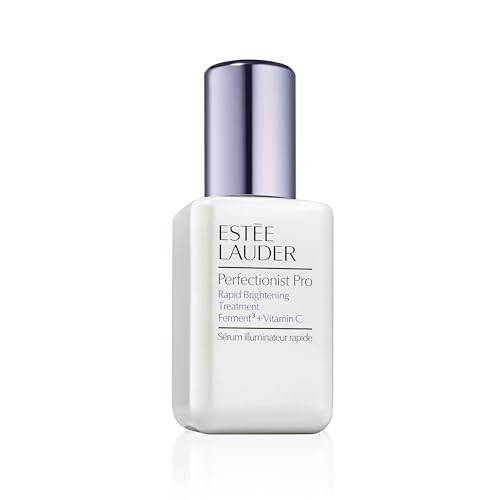
Estée Lauder Perfectionist Pro Vitamin C Serum Ingredients at a Glance
The current official ingredient list is consistent across multiple regional Estée Lauder websites, although formulas can occasionally change or vary by country. The following ingredients appear on the manufacturer’s latest published label.
- Water (Aqua/Eau)
- Butylene Glycol
- Glycerin
- Glycereth-26
- Isononyl Isononanoate
- Dimethicone
- Propanediol
- Trametes Versicolor Extract
- Ascorbyl Glucoside
- Algae Extract
- Acetyl Glucosamine
- Hydroxyethyl Urea
- Lens Esculenta (Lentil) Fruit Extract
- Pyrus Malus (Apple) Fruit Extract
- Avena Sativa (Oat) Kernel Extract
- Bis-PEG-18 Methyl Ether Dimethyl Silane
- Citrullus Lanatus (Watermelon) Fruit Extract
- Triticum Vulgare (Wheat) Germ Extract
- Resveratrol
- Artemia Extract
- Tocopheryl Acetate
- Sucrose
- Trehalose
- Salicylic Acid
- PEG-75
- Yeast Extract
- Sodium Hydroxide
- Oleth-3 Phosphate
- Sorbitol
- Caprylyl Glycol
- Hordeum Distichon (Barley) Extract
- Oleth-3
- Sodium Polyaspartate
- Carbomer
- Myrtus Communis Leaf Extract
- Caffeine
- Oleth-5
- Acrylates/C10-30 Alkyl Acrylate Crosspolymer
- Dipotassium Glycyrrhizate
- Propylene Glycol Caprylate
- Squalane
- Sodium Hyaluronate
- Choleth-24
- Ceteth-24
- Xanthan Gum
- Sodium Lactate
- Oryzanol
- Sodium PCA
- Glyceryl Acrylate/Acrylic Acid Copolymer
- Ethylhexylglycerin
- Glucose
- Fragrance (Parfum)
- Sodium Citrate
- Citric Acid
- Disodium EDTA
- BHT
- Potassium Sorbate
- Sodium Benzoate
- Phenoxyethanol
Estée Lauder Perfectionist Pro Vitamin C Serum Ingredients: My Analysis
This formula relies on several ingredients that have meaningful scientific support for improving skin brightness and hydration. I also noticed a few additions that sound impressive but currently have much weaker evidence in topical skincare.
Ascorbyl Glucoside
Ascorbyl glucoside is a stabilized vitamin C derivative designed to convert into active vitamin C after application. It’s generally more stable than pure L-ascorbic acid, making it easier to formulate in water-based serums.
Research suggests this ingredient can help brighten skin and reduce hyperpigmentation over time, although the evidence is considerably stronger for pure L-ascorbic acid than for many vitamin C derivatives. Studies indicate promising biological activity, but direct human evidence remains more limited.
What stands out to me is that Estée Lauder doesn’t disclose the concentration of ascorbyl glucoside. Without that information, it’s impossible to determine whether the amount matches those evaluated in published research.
The available evidence supports the ingredient generally, but it doesn’t prove this specific serum will deliver identical brightening results because formulation details and concentrations remain undisclosed.
Acetyl Glucosamine
Acetyl glucosamine is a naturally occurring amino sugar that’s frequently paired with brightening ingredients. It has attracted interest because it may help improve uneven pigmentation while also supporting skin hydration.
Some human studies suggest acetyl glucosamine may work particularly well alongside niacinamide. This serum doesn’t contain niacinamide, so the research doesn’t translate perfectly to this particular formulation.
I can see why this ingredient was included because it complements the product’s brightening goals. However, the manufacturer doesn’t reveal its concentration, so its contribution can’t be judged with confidence.
Trametes Versicolor Extract
Trametes versicolor is a medicinal mushroom commonly known as turkey tail. In skincare, it’s used as part of Estée Lauder’s proprietary Ferment³ complex, which combines fermentation-derived ingredients intended to support a brighter-looking complexion.
The research surrounding topical turkey tail extract is still developing. Laboratory studies suggest antioxidant and skin-conditioning properties, but high-quality human clinical trials evaluating topical use for pigmentation remain limited.
I was pleased to find that the ingredient is supported by a reasonable biological rationale. Even so, the available evidence doesn’t yet establish that this specific extract can produce meaningful brightening effects when applied in a cosmetic serum.
The manufacturer doesn’t disclose its concentration, making it impossible to compare the formula with published research. For now, I view it as a potentially useful supporting ingredient rather than a proven star performer.
Resveratrol
Resveratrol is a naturally occurring polyphenol found in grapes, berries, and several other plants. It’s widely recognized for its antioxidant activity and is frequently added to skincare products designed to protect against environmental stress.
Human and laboratory research suggests resveratrol can help reduce oxidative stress that contributes to visible skin aging. Some studies also report modest improvements in skin appearance when incorporated into topical formulations, although delivery systems differ considerably.
What I find encouraging is that resveratrol complements vitamin C because both ingredients target oxidative damage through different mechanisms. However, evidence supporting the combination is stronger at the ingredient level than for this finished product itself.
Sodium Hyaluronate
Sodium hyaluronate is the salt form of hyaluronic acid. It functions primarily as a humectant, attracting water to the outer layers of the skin to improve hydration and temporarily soften the appearance of fine lines.
There’s strong clinical evidence that topical hyaluronic acid ingredients can improve skin hydration when formulated appropriately. Those benefits are generally well established across different moisturizers and serums.
I like seeing sodium hyaluronate included because brighter skin often looks healthier when it’s adequately hydrated. Still, Estée Lauder doesn’t disclose the amount, so the concentration in this serum cannot be determined.
Other Ingredients
- Butylene Glycol: Humectant and solvent that improves moisture retention and helps dissolve other ingredients. Generally well tolerated, although sensitive skin may occasionally experience mild irritation.
- Glycerin: Well-studied humectant that attracts water into the outer skin layers and supports the skin barrier. Widely considered safe for routine cosmetic use.
- Glycereth-26: Humectant that enhances hydration while contributing a lightweight texture. No significant safety concerns during normal topical use.
- Isononyl Isononanoate: Lightweight emollient that improves skin softness without a greasy feel. Generally well tolerated.
- Dimethicone: Silicone emollient that reduces water loss and creates a smooth skin feel. Considered safe by major cosmetic safety reviews.
- Propanediol: Solvent and humectant that improves texture and ingredient penetration. Usually causes little irritation.
- Algae Extract: Skin-conditioning ingredient with antioxidant potential. Human evidence varies depending on the algae species used.
- Hydroxyethyl Urea: Effective humectant that helps maintain skin hydration with low irritation potential.
- Lens Esculenta Fruit Extract: Plant extract used for skin conditioning and cosmetic benefits. Clinical evidence remains limited.
- Apple, Oat, Watermelon, Wheat Germ, Barley, and Myrtle Extracts: Primarily skin-conditioning botanical extracts that may contribute antioxidants. Allergic reactions are possible in susceptible individuals.
- Tocopheryl Acetate: Stable vitamin E derivative that provides antioxidant support and helps protect the formula.
- Salicylic Acid: Beta hydroxy acid that gently exfoliates skin. Sensitive users may notice dryness or irritation.
- Squalane: Emollient that reinforces skin softness while reducing moisture loss. Generally suitable for most skin types.
- Dipotassium Glycyrrhizate: Licorice-derived soothing ingredient that may help reduce visible irritation.
- Caffeine: Skin-conditioning ingredient that may temporarily reduce puffiness through vasoconstrictive effects.
- Trehalose, Sodium PCA, Sodium Lactate, Sorbitol, Glucose, and Sucrose: Moisturizing ingredients that help maintain hydration.
- Carbomer, Xanthan Gum, Acrylates Copolymer, PEG ingredients, Oleth ingredients, Ceteth-24, Choleth-24: Thickeners, emulsifiers, and stabilizers that improve texture and product consistency.
- Caprylyl Glycol, Ethylhexylglycerin, Phenoxyethanol, Potassium Sorbate, Sodium Benzoate: Preservation system that protects the product from microbial contamination when used within regulated limits.
- Disodium EDTA: Chelating agent that improves product stability by binding trace metals.
- Citric Acid, Sodium Citrate, Sodium Hydroxide: pH-adjusting ingredients that help maintain formula stability.
- BHT: Antioxidant used to stabilize the formulation. Current cosmetic safety assessments support its use at approved concentrations.
- Fragrance (Parfum): Added for scent. Fragrance is one of the more common causes of cosmetic sensitivity in susceptible individuals.
Safety Concerns and Controversies
For most healthy adults, this serum appears to have a reassuring overall safety profile when used as directed. The main concern isn’t vitamin C itself but the inclusion of fragrance, which may trigger irritation or allergic reactions in fragrance-sensitive users.
Salicylic acid may also increase dryness or temporary stinging, particularly if you already use exfoliating acids or prescription retinoids. Those with compromised skin barriers may want to introduce the serum gradually.
I found little evidence supporting many online concerns about ingredients such as dimethicone, phenoxyethanol, or BHT when they’re used within cosmetic regulations. Current scientific reviews generally don’t support claims that these ingredients are harmful under normal topical exposure.
Estée Lauder Perfectionist Pro Vitamin C Serum: My Verdict
What stands out to me is the thoughtful combination of a stable vitamin C derivative, hydration-focused ingredients, antioxidants, and soothing agents. The overall formulation makes scientific sense for improving skin brightness and supporting a healthier-looking complexion.
I’m less convinced by the company’s stronger marketing claims because none of the key active concentrations are disclosed. That limitation makes it difficult to judge how closely the finished formula aligns with the research behind its individual ingredients.
Overall, I think this serum is worth considering for people seeking a gentle brightening product with good cosmetic elegance. Just remember that the available evidence supports several ingredients individually, but it doesn’t guarantee identical results from this particular formulation.
Disclaimer
This review is based primarily on the published ingredient list and available scientific research. Even ingredients supported by strong evidence don’t guarantee the same outcome for every user. The article is educational and shouldn’t replace personalized medical or dermatological advice.