
Anti-aging serums promise smoother, firmer, and more radiant skin, but the science behind those claims often varies. Many formulas combine hydrating ingredients, antioxidants, peptides, and fermented extracts, making it difficult to know which ingredients are genuinely supported by research.
Estée Lauder Advanced Night Repair Face Serum has become one of the most recognizable luxury serums on the market. Its formula centers on fermented ingredients, hyaluronic acid, peptides, and skin-conditioning agents that appear thoughtfully selected for hydration and barrier support rather than relying on a single “miracle” ingredient.
Still, an impressive ingredient list doesn’t automatically guarantee impressive results. Looking closely at what each key ingredient actually does, what the evidence says, and what remains uncertain gives a much clearer picture of whether this serum deserves its reputation.
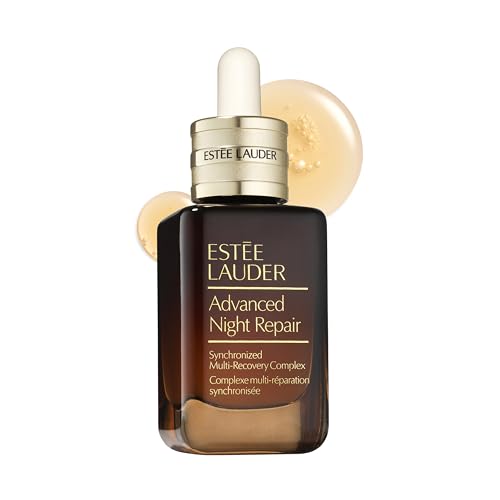
Estée Lauder Advanced Night Repair Face Serum Ingredients at a Glance
The current official formula may vary slightly between countries or change over time. The ingredient list below reflects the most recent formula published by Estée Lauder at the time of writing.
- Water\Aqua\Eau
- Bifida Ferment Lysate
- PEG-8
- Propanediol
- Bis-PEG-18 Methyl Ether Dimethyl Silane
- Methyl Gluceth-20
- Glycereth-26
- PEG-75
- Butylene Glycol
- Adansonia Digitata Seed Extract
- Tripeptide-32
- Sodium Hyaluronate
- Yeast Extract (Faex)
- Lactobacillus Ferment
- Cola Acuminata (Kola) Seed Extract
- Anthemis Nobilis (Chamomile) Flower Extract
- Hydrolyzed Algin
- Pantethine
- Caffeine
- Lecithin
- Sodium RNA
- Bisabolol
- Squalane
- Glycerin
- Oleth-3 Phosphate
- Caprylyl Glycol
- Oleth-3
- Oleth-5
- Choleth-24
- Hydrogenated Lecithin
- Jojoba Wax PEG-120 Esters
- Ceteth-24
- Tocopheryl Acetate
- Carbomer
- Triethanolamine
- Tetrasodium EDTA
- BHT
- Xanthan Gum
- Potassium Sorbate
- Disodium EDTA
- Phenoxyethanol
- Red 4 (CI 14700)
- Yellow 5 (CI 19140)
Estée Lauder Advanced Night Repair Face Serum Ingredients: My Analysis
This formula contains several ingredients with meaningful scientific support for hydration and skin barrier health. What stands out to me is that the serum relies on multiple complementary ingredients rather than depending on one headline active.
Bifida Ferment Lysate
Bifida Ferment Lysate is the signature ingredient in this serum. It’s produced by fermenting Bifidobacterium, then processing the resulting material into a cosmetic ingredient designed for topical use.
Laboratory and human research suggests fermented lysates may help strengthen the skin barrier, reduce irritation after environmental stress, and improve hydration. Evidence supporting topical fermented ingredients has grown, although it remains smaller than the evidence for classic moisturizers.
The manufacturer doesn’t disclose the exact concentration of Bifida Ferment Lysate. Because of that, it’s impossible to determine how closely this product matches concentrations evaluated in published studies. I think that’s an important limitation when interpreting marketing claims.
Most users tolerate this ingredient well. Allergic reactions appear uncommon, although anyone with highly reactive skin should still introduce new products gradually.
Tripeptide-32
Tripeptide-32 is a proprietary peptide promoted as supporting the skin’s natural nighttime repair processes. Peptides are short chains of amino acids that may act as signaling molecules within the skin.
I can see why this ingredient was included because peptides have become a popular category in anti-aging skincare. However, the strongest evidence generally exists for certain well-studied peptide families rather than every proprietary peptide available.
The exact amount isn’t revealed, so its concentration in this formula cannot be determined. Much of the public information surrounding Tripeptide-32 comes from manufacturer research rather than large independent clinical trials, making it harder to judge its real-world performance.
Sodium Hyaluronate
Sodium Hyaluronate is the salt form of hyaluronic acid and functions primarily as a powerful humectant. It helps attract and retain water within the outer layers of the skin.
Hydration is one of the best-supported benefits in skincare research. Numerous human studies have shown topical hyaluronic acid ingredients can improve skin hydration and temporarily reduce the appearance of fine dehydration lines.
The manufacturer doesn’t disclose the concentration. Even so, I was pleased to find this ingredient paired with several additional moisturizers and barrier-supporting ingredients, since hydration often works best through multiple complementary mechanisms rather than one ingredient alone.
Yeast Extract
Yeast Extract contains naturally occurring amino acids, peptides, minerals, and other biological compounds produced during yeast processing. Cosmetic companies often include it to support skin conditioning.
The evidence I found is encouraging, although much of it comes from laboratory research or smaller clinical studies. Some findings suggest yeast-derived ingredients may support hydration and skin barrier function, but the evidence doesn’t prove this specific serum will produce identical results.
Because the exact amount is not disclosed, it’s impossible to compare this formula directly with research concentrations. I view Yeast Extract as a supportive ingredient rather than the primary reason to purchase this serum.
Other Ingredients
- PEG-8: Solvent and moisture-binding ingredient that improves texture and ingredient distribution. Current cosmetic safety assessments support its use as directed.
- Propanediol: Solvent and humectant that improves skin hydration while helping dissolve other ingredients. Generally well tolerated, although mild irritation is possible in sensitive skin.
- Bis-PEG-18 Methyl Ether Dimethyl Silane: Skin-conditioning silicone derivative that enhances spreadability and leaves a smoother finish. No significant safety concerns during normal cosmetic use.
- Methyl Gluceth-20: Humectant that helps attract water and reduce dryness. Usually suitable for sensitive skin.
- Glycereth-26: Humectant and solvent that supports lasting hydration while improving the serum’s texture.
- PEG-75: Solvent and viscosity-controlling ingredient that helps stabilize the formula. Cosmetic use is generally considered safe.
- Butylene Glycol: Humectant and solvent that improves moisture retention and product absorption. Rarely causes irritation.
- Adansonia Digitata Seed Extract: Plant extract that provides skin-conditioning compounds and antioxidant activity. Evidence for topical anti-aging benefits remains limited.
- Lactobacillus Ferment: Fermented ingredient that supports skin conditioning and may help maintain a healthy skin barrier. Human evidence remains relatively limited.
- Cola Acuminata Seed Extract: Botanical extract containing antioxidant compounds. Cosmetic evidence is less robust than laboratory research.
- Anthemis Nobilis Flower Extract: Skin-soothing botanical with anti-inflammatory properties. People allergic to plants in the daisy family should use caution.
- Hydrolyzed Algin: Marine-derived film former that helps improve skin feel and moisture retention.
- Pantethine: Vitamin B5 derivative used for skin conditioning and moisture support. Generally well tolerated.
- Caffeine: Antioxidant and skin-conditioning ingredient that may temporarily reduce the appearance of puffiness.
- Lecithin: Emollient and emulsifier that supports the skin barrier while stabilizing the formula.
- Sodium RNA: Skin-conditioning ingredient included to support hydration and cosmetic skin appearance. Independent evidence remains limited.
- Bisabolol: Soothing ingredient commonly derived from chamomile that may help reduce visible irritation.
- Squalane: Lightweight emollient that strengthens the skin barrier and reduces moisture loss with an excellent overall safety profile.
- Glycerin: Well-established humectant that attracts water into the outer skin layers and supports long-term hydration.
- Oleth-3 Phosphate, Oleth-3, Oleth-5, Choleth-24, Ceteth-24: Emulsifiers and surfactants that keep ingredients evenly mixed and improve application.
- Hydrogenated Lecithin: Barrier-supporting emulsifier that also improves ingredient delivery across the skin surface.
- Jojoba Wax PEG-120 Esters: Emollient and stabilizer that enhances skin feel without creating a heavy finish.
- Tocopheryl Acetate: Stable vitamin E derivative that provides antioxidant support, although it is less active than pure vitamin E.
- Carbomer: Thickener that gives the serum its gel-like consistency.
- Triethanolamine: pH adjuster that helps maintain product stability. Considered safe at regulated cosmetic concentrations.
- Tetrasodium EDTA and Disodium EDTA: Chelating agents that improve stability by binding trace metals.
- BHT: Antioxidant preservative that protects the formula from oxidation. Current cosmetic regulations support its use within established limits.
- Xanthan Gum: Natural thickener that improves texture and keeps ingredients evenly suspended.
- Potassium Sorbate: Preservative that helps prevent microbial growth. Mild irritation is possible in very sensitive skin.
- Phenoxyethanol: Widely used preservative considered safe within approved cosmetic concentrations, although occasional irritation can occur.
- Red 4 (CI 14700) and Yellow 5 (CI 19140): Coloring agents used only to create the product’s appearance. Rare sensitivity reactions are possible.
Safety Concerns and Controversies
Overall, I don’t see any major ingredient that raises significant safety concerns for most healthy adults when the serum is used as directed. The formula contains well-established cosmetic preservatives that help keep the product microbiologically safe throughout normal use.
The greatest potential concerns involve individual sensitivity rather than inherent toxicity. Botanical extracts, preservatives, and added colorants may trigger irritation or allergic reactions in susceptible users, particularly if the skin barrier is already compromised.
Some online discussions question ingredients such as BHT, PEG compounds, or phenoxyethanol. Current evaluations from major cosmetic safety authorities don’t support avoiding these ingredients in approved cosmetic products simply because they are present. That differs from risks reported under very different exposure conditions.
Estée Lauder Advanced Night Repair Face Serum: My Verdict
I think this is a thoughtfully formulated hydration-focused serum built around multiple evidence-supported moisturizing and barrier-supporting ingredients. The combination of Bifida Ferment Lysate, Sodium Hyaluronate, glycerin, squalane, and soothing agents makes scientific sense for improving skin hydration and overall skin comfort.
My biggest reservation is the lack of disclosed concentrations for its headline ingredients. While the ingredient selection is impressive, the available evidence mainly supports the individual ingredients rather than proving this exact formulation will deliver every advertised anti-aging benefit.
Overall, I consider this serum worth considering if your main goals are hydration, barrier support, and maintaining healthier-looking skin. Those seeking dramatic wrinkle reduction may want to combine it with ingredients that have stronger clinical evidence, such as a retinoid or daily sunscreen, rather than expecting this serum to do everything alone.
Disclaimer
This review is based primarily on the ingredient list and currently available scientific evidence. Even ingredients supported by research cannot guarantee identical results for every user. The article is educational and should not replace personalized medical advice when individual skin concerns exist.