
Dehydrated skin can feel tight, look dull, and make fine lines appear more noticeable. Many hydrating serums promise quick relief, but the real question is whether their ingredients genuinely support long-term moisture rather than delivering only temporary plumping.
PCA SKIN Hyaluronic Acid Boosting Serum is marketed as a multi-level hydration treatment that combines several forms of hyaluronic acid with barrier-supporting ingredients. On paper, the formula looks more sophisticated than many basic hyaluronic acid serums, but a closer look is still worthwhile.
The ingredient list tells a more complete story than marketing claims alone. In this review, you’ll learn what the key ingredients actually do, where the scientific evidence is strongest, and where important uncertainties remain before deciding whether this serum deserves a place in your routine.
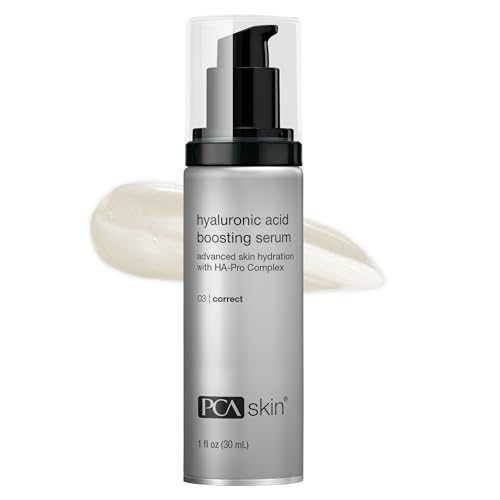
PCA SKIN Hyaluronic Acid Boosting Serum Ingredients at a Glance
The current ingredient list comes from PCA SKIN’s official product information. Keep in mind that formulas may change over time or vary slightly between countries because of regulatory requirements.
- Water
- Propanediol
- Glycerin
- Dimethicone
- Niacinamide
- Hydrolyzed Yeast Extract
- Polyglyceryl-6 Distearate
- Coconut Alkanes
- Phenoxyethanol
- Jojoba Esters
- Isododecane
- Dimethicone Crosspolymer
- Carbomer
- Polysilicone-11
- Cetyl Alcohol
- Polyglyceryl-3 Beeswax
- Sodium Benzoate
- Xanthan Gum
- Hydrolyzed Hyaluronic Acid
- Sodium Hyaluronate
- Sodium Lauroyl Lactylate
- Disodium Acetyl Glucosamine Phosphate
- Hydrolyzed Glycosaminoglycans
- Sodium Hydroxide
- Ethylhexylglycerin
- Polygonum Bistorta Root Extract
- Cetyl Hydroxyethylcellulose
- Rosmarinus Officinalis (Rosemary) Leaf Oil
- Aroma
- Polyglucuronic Acid
- Ceramide NP
- Sodium Carrageenan
- Ceramide AP
- Phytosphingosine
- Cholesterol
- Lecithin
- Maris Sal
- Leuconostoc/Radish Root Ferment Lysate Filtrate
- Hyaluronic Acid
- Ceramide EOP
PCA SKIN Hyaluronic Acid Boosting Serum Ingredients: My Analysis
This formula combines several well-studied moisturizing ingredients instead of relying on a single hero ingredient. What stands out to me is its emphasis on hydration, barrier support, and skin conditioning rather than aggressive anti-aging claims.
Niacinamide
Niacinamide, a form of vitamin B3, is one of the most extensively studied cosmetic ingredients. It supports the skin barrier while helping reduce moisture loss, making it a logical inclusion in a hydrating serum.
Multiple human clinical studies have shown that topical niacinamide can improve barrier function, reduce transepidermal water loss, and enhance overall skin appearance after regular use.
The manufacturer does not disclose the exact concentration. Because of that, it’s impossible to determine how closely this formula matches concentrations used in published clinical trials. Even so, the available evidence supporting niacinamide itself is strong.
I was pleased to find niacinamide paired with several moisturizing ingredients rather than presented as a standalone solution. That combination makes more biological sense for dehydrated skin.
Hydrolyzed Hyaluronic Acid, Sodium Hyaluronate, and Hyaluronic Acid
Rather than relying on one form of hyaluronic acid, PCA SKIN uses several related ingredients with different molecular characteristics. The goal is to hydrate different layers of the skin surface while improving overall moisture retention.
Topical hyaluronic acid has good evidence for improving skin hydration and temporarily reducing the appearance of fine lines, according to a systematic review of clinical studies. Those benefits mainly reflect improved water retention rather than permanent structural changes.
The exact amount of each hyaluronic acid ingredient is not revealed, so their concentrations cannot be determined. Most published research also evaluates specific formulations rather than this exact combination.
The evidence I found is encouraging, although it doesn’t prove this particular serum will produce identical clinical results. Delivery systems and formulation details influence how well topical humectants perform.
Ceramides, Cholesterol, and Phytosphingosine
The formula also contains Ceramide NP, Ceramide AP, Ceramide EOP, cholesterol, and phytosphingosine. Together, these ingredients resemble components that naturally exist within the skin barrier.
Research summarized by the DermNet overview of moisturizers and barrier repair and published clinical literature supports barrier-focused formulations for improving hydration and reducing water loss, particularly in dry or compromised skin.
The manufacturer does not disclose the amount of these ingredients. That means it isn’t possible to determine whether they match concentrations used in published studies or barrier-repair products evaluated in clinical trials.
I can see why these ingredients were included. Combined with humectants, they create a formula that aims to both attract water and reduce moisture loss, which is generally a more complete hydration strategy than using hyaluronic acid alone.
Other Ingredients
- Water: Primary solvent that dissolves water-soluble ingredients and creates the serum base. No meaningful safety concerns during normal topical use.
- Propanediol: Humectant and solvent that improves texture and helps dissolve ingredients. Usually well tolerated, although sensitive skin may occasionally experience mild irritation.
- Glycerin: Humectant that attracts water into the outer skin layers. Strong safety profile with extensive cosmetic use.
- Dimethicone: Silicone emollient that reduces water loss and improves skin feel. Considered safe for topical cosmetic use.
- Hydrolyzed Yeast Extract: Skin-conditioning ingredient included for moisturizing and supportive cosmetic benefits. Human evidence remains limited.
- Polyglyceryl-6 Distearate: Emulsifier that keeps oil and water evenly mixed. Low irritation potential.
- Coconut Alkanes: Lightweight emollient that softens skin and improves spreadability. Generally well tolerated.
- Phenoxyethanol: Preservative that protects against microbial contamination. Approved within regulated cosmetic concentration limits.
- Jojoba Esters: Emollient that helps smooth skin and improve texture. Low allergy risk overall.
- Isododecane: Lightweight solvent that improves application and reduces greasy residue. Minimal safety concerns during normal use.
- Dimethicone Crosspolymer: Texture-enhancing silicone that creates a silky finish and stabilizes the formula.
- Carbomer: Thickener that gives the serum its gel consistency. Widely used and well tolerated.
- Polysilicone-11: Film-forming ingredient that enhances smoothness and cosmetic feel. Generally considered safe.
- Cetyl Alcohol: Fatty alcohol functioning as an emollient and stabilizer. Unlike drying alcohols, it is usually non-irritating.
- Polyglyceryl-3 Beeswax: Emulsifier and texture enhancer that stabilizes the formulation.
- Sodium Benzoate: Preservative that limits microbial growth. Low risk when used within cosmetic regulations.
- Xanthan Gum: Natural thickener and stabilizer that improves consistency. Rarely causes irritation.
- Sodium Lauroyl Lactylate: Emulsifier that can also support delivery of barrier lipids. Generally well tolerated.
- Disodium Acetyl Glucosamine Phosphate: Skin-conditioning ingredient intended to support hydration. Human evidence remains limited.
- Hydrolyzed Glycosaminoglycans: Moisturizing ingredient that may support water retention. Clinical evidence is still developing.
- Sodium Hydroxide: pH adjuster used in very small amounts to balance the formula.
- Ethylhexylglycerin: Preservative booster and skin-conditioning ingredient with a favorable safety profile.
- Polygonum Bistorta Root Extract: Botanical extract used for skin conditioning. Robust clinical evidence for topical benefits is limited.
- Cetyl Hydroxyethylcellulose: Thickener and stabilizer that improves texture without adding significant safety concerns.
- Rosemary Leaf Oil: Fragrance component with antioxidant properties. It may irritate fragrance-sensitive individuals.
- Aroma: Fragrance blend added for sensory appeal. Fragrance sensitivity varies between individuals.
- Polyglucuronic Acid: Moisturizing polymer that helps retain water on the skin surface. Human research is limited.
- Sodium Carrageenan: Thickener and stabilizer commonly used to improve texture.
- Lecithin: Emollient and emulsifier that supports formulation stability and skin conditioning.
- Maris Sal: Sea salt used for formulation purposes. Usually present in small amounts.
- Leuconostoc/Radish Root Ferment Lysate Filtrate: Ferment-derived preservative support ingredient with skin-conditioning properties.
Safety Concerns and Controversies
Most ingredients in this serum have long histories of cosmetic use and generally favorable safety profiles. The most realistic concern for many users is irritation from fragrance or rosemary leaf oil, especially if your skin is already sensitive.
Niacinamide, hyaluronic acid, glycerin, and ceramides are widely supported by clinical evidence and are not considered controversial. Temporary irritation remains possible with almost any topical product, but serious reactions are uncommon.
Some online discussions question preservatives such as phenoxyethanol. Current reviews from cosmetic safety authorities support its use within regulated limits, so concerns from normal cosmetic exposure are not backed by strong human evidence.
PCA SKIN Hyaluronic Acid Boosting Serum: My Verdict
I think this is a thoughtfully designed hydration serum. Its combination of multiple hyaluronic acid ingredients, niacinamide, glycerin, and barrier lipids gives the formula a logical scientific foundation instead of relying on a single trendy ingredient.
My main reservation is that the manufacturer doesn’t disclose ingredient concentrations. The available evidence supports many individual ingredients, but it doesn’t prove this specific product will deliver the same results observed in clinical studies using different formulations.
Overall, I believe this serum is worth considering for people looking to improve hydration and support the skin barrier. From an ingredient perspective, the formula appears well balanced, although the undisclosed concentrations make its likely performance somewhat difficult to judge with complete confidence.
Disclaimer
This review is based primarily on the published ingredient list and currently available scientific research. Ingredients with good evidence do not guarantee identical results for every user. It is educational information and should not replace personalized medical advice when needed.