
Retinol serums promise smoother skin, softer fine lines, and a brighter complexion, but not every formula delivers the same experience. The supporting ingredients, delivery system, and overall formulation often matter just as much as the retinol itself.
La Roche-Posay Retinol B3 Serum is marketed as an anti-aging treatment for wrinkles, uneven skin tone, and photoaging. Its combination of pure retinol, gradual-release retinol, vitamin B3, and hydrating ingredients makes it look appealing, especially for people with sensitive skin.
Still, marketing only tells part of the story. The ingredient list deserves a closer look because it reveals what the formula can realistically achieve, where the science is strongest, and where important uncertainties remain. That’s exactly what this review will explore.
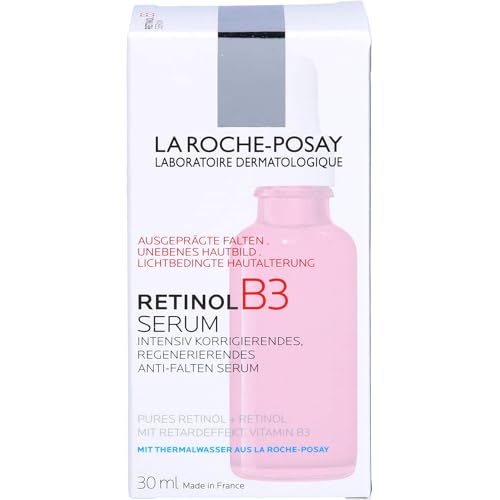
La Roche-Posay B3 Retinol Serum Ingredients at a Glance
The current official ingredient list comes from La Roche-Posay’s product information. Formulas can change over time or vary slightly between countries, so it’s always worth checking the label on the product you purchase.
- Aqua / Water
- Glycerin
- Cyclohexasiloxane
- Alcohol Denat.
- Pentylene Glycol
- Niacinamide
- Dimethicone
- Glycine Soja Oil / Soybean Oil
- PPG-6-Decyltetradeceth-30
- Sodium Hyaluronate
- Retinol
- Adenosine
- Ammonium Polyacryloyldimethyl Taurate
- Caprylyl Glycol
- Citric Acid
- Trisodium Ethylenediamine Disuccinate
- Xanthan Gum
- Polysilicone-11
- Retinyl Palmitate
- Tocopherol
- Phenoxyethanol
- Parfum / Fragrance
La Roche-Posay B3 Retinol Serum Ingredients: My Analysis
This formula focuses on a handful of ingredients that are supported by meaningful scientific evidence. I think it’s more useful to examine those carefully than to treat every ingredient as equally important.
Retinol
Retinol is the star ingredient and one of the most extensively studied cosmetic ingredients for photoaged skin. A substantial body of human research supports its ability to improve fine lines, uneven pigmentation, and skin texture when used consistently.
The manufacturer combines pure retinol with a gradual-release retinol system that aims to improve skin tolerance while maintaining activity. According to the official product information, this dual approach is intended to deliver retinol continuously rather than all at once. Official product information.
What stands out to me is that the exact retinol concentration is not disclosed. Because of that, its concentration in this formula cannot be determined, and it’s impossible to compare directly with concentrations used in published clinical studies.
The available evidence strongly supports retinol as an ingredient. However, that doesn’t automatically prove this specific serum produces identical results because finished-product performance depends on concentration, formulation stability, and consistent use.
Niacinamide
Niacinamide, also known as vitamin B3, has become one of the most versatile skincare ingredients. Clinical studies suggest it can improve skin barrier function, reduce water loss, lessen redness, and gradually brighten uneven skin tone.
I was pleased to find niacinamide included alongside retinol because the combination makes practical sense. Retinol may increase irritation in some users, while niacinamide can help support the skin barrier during adjustment.
Again, the manufacturer does not disclose the exact concentration. Research supports niacinamide across several concentrations, but without that information, no meaningful comparison can be made between this formula and published studies.
The evidence supporting niacinamide itself is encouraging. Even so, the research generally evaluates niacinamide directly rather than this finished serum, so readers should avoid assuming identical outcomes.
Sodium Hyaluronate
Sodium hyaluronate is a form of hyaluronic acid that functions primarily as a humectant. It attracts water into the outer layers of skin, helping improve hydration and reducing the feeling of dryness.
I can see why this ingredient was included. Retinol frequently causes temporary dryness during the first weeks of use, so pairing it with moisturizing ingredients creates a more balanced formula.
The exact amount isn’t revealed, meaning its concentration cannot be determined. Human research supports topical hyaluronic acid for improving skin hydration, but results vary depending on molecular characteristics and formulation.
Adenosine
Adenosine is a naturally occurring molecule found throughout the body and is sometimes used in anti-aging cosmetics. Research suggests it may contribute to improvements in wrinkle appearance through effects on skin cell signaling.
The evidence is promising but smaller than the evidence supporting retinoids. Most available studies evaluate specific cosmetic formulations, making it difficult to isolate adenosine’s independent contribution.
My view is that adenosine works best as a complementary ingredient rather than the primary reason to purchase this serum. Its inclusion strengthens the overall formula, although its exact concentration remains undisclosed.
Other Ingredients
- Water (Aqua): Primary solvent that dissolves water-soluble ingredients and creates the serum’s fluid texture. No meaningful safety concerns with normal topical use.
- Glycerin: Humectant that attracts water into the outer skin layers, improving hydration and supporting the skin barrier. Well tolerated by most users.
- Cyclohexasiloxane: Lightweight silicone that improves spreadability and leaves a smooth finish. Current evidence supports its safety in cosmetic use.
- Alcohol Denat.: Solvent that enhances texture and may improve ingredient penetration. It can contribute to dryness or stinging in sensitive or compromised skin.
- Pentylene Glycol: Humectant and solvent that also boosts preservative performance. Generally well tolerated with a low risk of irritation.
- Dimethicone: Silicone emollient that reduces water loss and improves skin feel. Widely regarded as safe and suitable for sensitive skin.
- Glycine Soja (Soybean) Oil: Plant-derived emollient that softens skin and contributes fatty acids. Soy allergy from topical exposure appears uncommon but remains possible.
- PPG-6-Decyltetradeceth-30: Solubilizer that helps disperse oil-soluble ingredients evenly throughout the serum. No notable safety concerns during normal cosmetic use.
- Ammonium Polyacryloyldimethyl Taurate: Thickener and stabilizer that gives the serum a consistent texture. Considered safe in topical formulations.
- Caprylyl Glycol: Humectant that also supports the preservative system. Skin irritation is uncommon at cosmetic use levels.
- Citric Acid: pH adjuster that helps maintain formula stability. It may sting temporarily on damaged or highly sensitive skin.
- Trisodium Ethylenediamine Disuccinate: Chelating agent that improves product stability by binding metal ions. No meaningful safety concerns in rinse-off or leave-on cosmetics.
- Xanthan Gum: Natural thickener that improves viscosity and keeps ingredients evenly suspended. Generally well tolerated.
- Polysilicone-11: Silicone polymer that enhances texture and leaves a soft, silky finish. Current evidence does not suggest significant safety concerns.
- Tocopherol: Vitamin E antioxidant that helps protect the formula from oxidation while offering additional antioxidant support for skin.
- Phenoxyethanol: Preservative that prevents microbial contamination. It is considered safe within established cosmetic concentration limits.
- Fragrance (Parfum): Provides scent but offers no skincare benefit. Fragrance-sensitive users may experience irritation or allergic contact dermatitis.
Safety Concerns and Controversies
The biggest practical concern is irritation from retinol. Dryness, peeling, redness, and temporary sensitivity are well-recognized effects, especially during the first several weeks of use. Following the manufacturer’s instructions and introducing the serum gradually can improve tolerance. American Academy of Dermatology guidance on retinoids.
Fragrance and denatured alcohol may also bother people with very sensitive or compromised skin. That doesn’t mean they’re unsafe for everyone, but they can increase the likelihood of irritation in susceptible individuals. I would be more cautious if your skin barrier is already damaged.
One additional consideration involves pregnancy. Dermatology organizations generally recommend avoiding topical retinoids during pregnancy because of limited safety data, even though systemic absorption appears low. Anyone who is pregnant or planning pregnancy should discuss appropriate skincare with their healthcare professional.
La Roche-Posay B3 Retinol Serum: My Verdict
I think this is a thoughtfully designed retinol serum with a sensible combination of retinol, niacinamide, sodium hyaluronate, and supportive moisturizing ingredients. The overall formulation aligns well with its intended anti-aging purpose, and the ingredient selection is stronger than many competing products. Official product information.
My biggest reservation is the lack of disclosed retinol and niacinamide concentrations. The available evidence strongly supports these ingredients in general, but it cannot confirm that this specific serum delivers the same outcomes observed in published clinical research using different formulations or concentrations.
Overall, I believe this product is worth considering, particularly if you’re looking for a beginner-friendly or moderately gentle retinol serum. While it isn’t possible to judge potency precisely, the formula appears scientifically reasonable, balanced, and appropriate for most healthy adult skin types.
Disclaimer
This review is based primarily on the published ingredient list and currently available scientific evidence. Ingredients supported by research do not guarantee identical results for every user. The information is educational and should not replace individualized medical advice when needed.